
Some days, if I’m honest, I wrestle with the feeling of being ordinary. Ordinary routines and ordinary faithfulness. Ordinary days that blur together with laundry, lessons, meals, and small, unseen choices. I often wonder if this kind of life really matters to God—and if there is truly a place in Scripture for ordinary obedience in the Bible, or if faithfulness only counts when it looks extraordinary.

When I find myself asking those questions, Scripture gently pulls me back. Again and again, God reminds us that His story is not carried forward only by the loud or the legendary, but by the faithful—many of whom lived lives that looked incredibly ordinary.
One of my favorite reminders of this truth comes from a woman most people have never heard of.
Her name is Bithiah.
A Woman Hidden in the Margins of Scripture
Bithiah appears only once in the Bible, tucked quietly into a genealogy:
“These are the sons of Bithiah the daughter of Pharaoh, whom Mered married…”
1 Chronicles 4:18
That’s it. No dramatic speeches or recorded prayers. No spotlight.
And yet, many scholars believe this same woman is the unnamed daughter of Pharaoh in Exodus 2—the woman who pulled a crying Hebrew baby from the Nile and chose compassion over convenience.
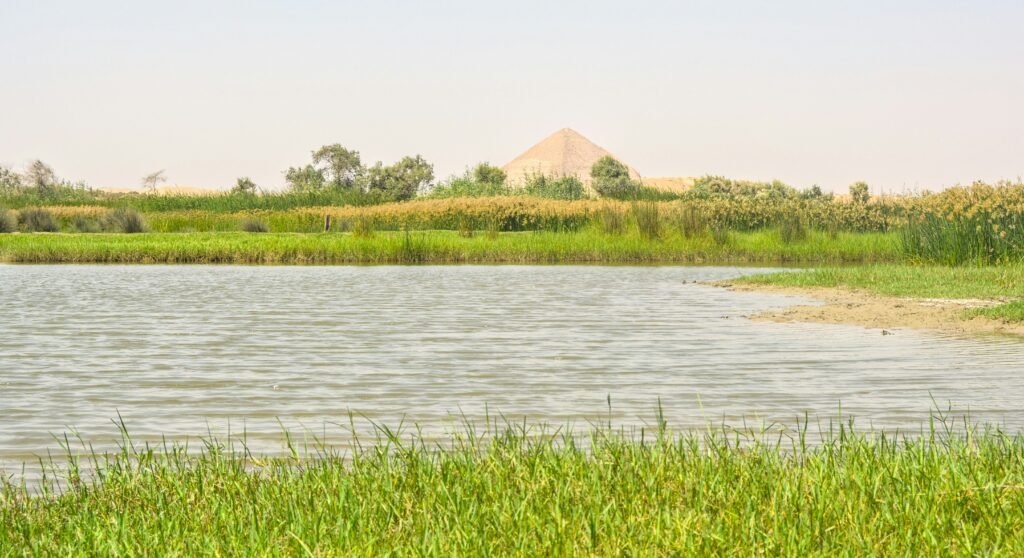
The woman who saved Moses.
Her life reminds us that God often works His greatest purposes through people who live faithfully—and quietly.
An Ordinary Day, an Eternal Impact
When Pharaoh’s daughter went down to the river, she likely had no idea she was stepping into God’s redemptive plan.
- She wasn’t organizing a rebellion.
- She wasn’t leading a movement.
- She wasn’t standing on a stage.
She was bathing.
And yet, when she saw the basket among the reeds and heard the cry of a baby she knew was Hebrew, she faced a choice.
Her father had ordered that every Hebrew boy be killed.
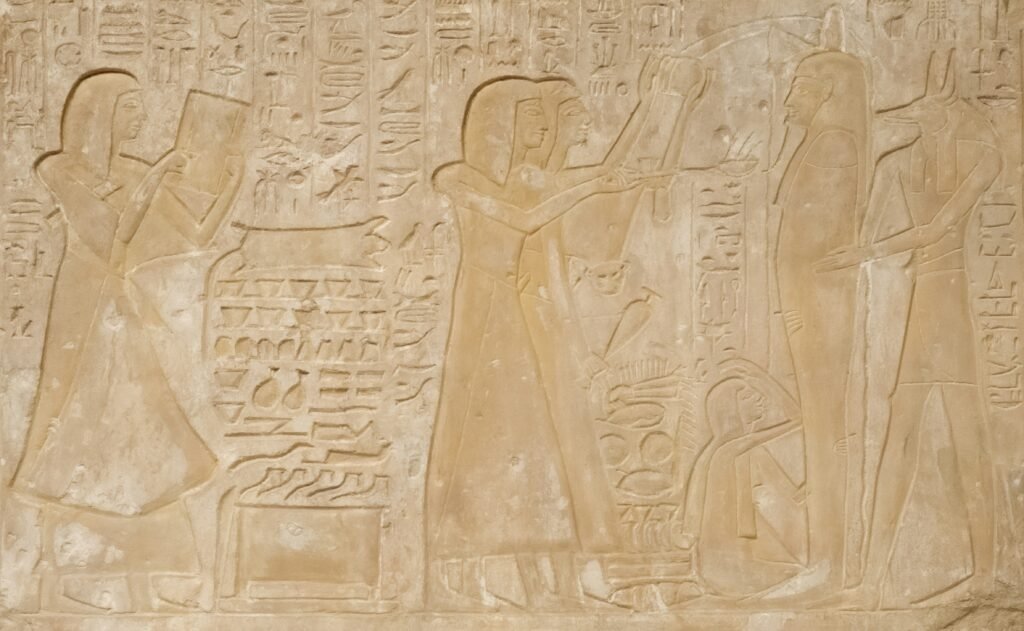
Saving this child meant defying the most powerful man in Egypt.
And still—she chose compassion.
It was not a flashy moment. It was quiet, costly obedience. And through that single act, God preserved the life of Israel’s future deliverer.
What Happened After the Big Moment?
This is where the story grows even quieter.
Bithiah fades from the Exodus narrative. Moses grows up. Plagues fall. Seas part. God speaks from Mount Sinai.
And Bithiah?
She reappears generations later in a list of names.
Scripture tells us she married a man named Mered, from the tribe of Judah, and had three children:
- Miriam
- Shammai
- Ishbah
And that’s… mostly it.
- No recorded miracles.
- No prophetic words.
- No dramatic calling.
Just family. Faith. Faithfulness.
The Sons No One Preaches About
Of Bithiah’s three children, only one is given additional detail.
Ishbah is described as “the father of Eshtemoa.”
This likely means he helped establish or lead a town in Judah—a place later given to the Levites.
- He didn’t conquer nations.
- He didn’t write Scripture.
- He helped build a community.
Miriam and Shammai? They are simply named.
And this is where we often underestimate Scripture.
Because being named is not the same as being insignificant.
Most Faithful People Lived Ordinary Lives
Here’s a truth we don’t talk about enough:
Most faithful people in the Bible lived ordinary, obedient lives.
- They raised families.
- They worked land.
- They settled towns.
- They obeyed God quietly.
And their obedience mattered just as much as the miracles.
Genealogies—the passages we’re tempted to skim—exist because God remembers the faithful. Every name represents a life lived in covenant, even when history didn’t record the details.
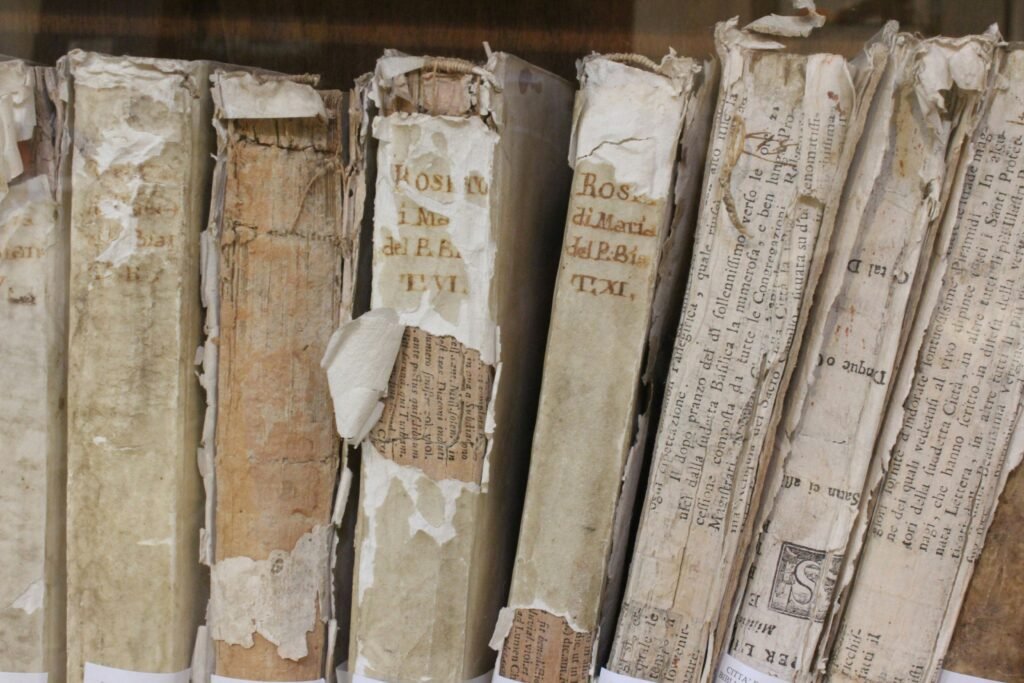
Bithiah’s children weren’t famous.
But they belonged.
They obeyed.
They carried forward the promises of God.
And that matters.
Ordinary Obedience in the Bible Is Not Small Obedience
We live in a culture that glorifies visibility.
Platforms.
Influence.
Numbers.
Reach.
It’s easy to believe that if our obedience doesn’t look impressive, it must not be important.
But Scripture consistently pushes back on that idea.
God used:
- A woman drawing water
- A shepherd watching sheep
- A carpenter raising a family
- A princess making a quiet choice at a riverbank
Faithfulness is not measured by applause—it’s measured by obedience.
What Ordinary Obedience in the Bible Means for Us Today
Most of us will never part a sea.
We will never stand before kings.
We will never have books written about us.
But we will:
- Raise children
- Love our spouses imperfectly
- Serve in small, unseen ways
- Say “yes” to God in moments no one else notices
And those moments matter more than we realize.

Bithiah didn’t know she was saving the future leader of Israel. Her children didn’t know their quiet lives would be preserved in Scripture. They simply lived where God placed them.
So do we.
Faithfulness That Ripples Forward
One compassionate act saved Moses.
One quiet life raised children who belonged to God’s people.
One ordinary family became part of God’s unfolding story.
Your obedience may not feel monumental—but God measures differently than we do.
And maybe one day, far beyond what we can see now, we’ll understand how deeply our quiet faithfulness mattered.
Until then, we live obediently.
We love faithfully.
We trust that God is working—even in the ordinary.

Because in God’s Kingdom, ordinary obedience is never wasted.
If you’re living a quiet, faithful life that feels unseen, know this—you are not forgotten. God is still working through ordinary obedience in the Bible, and He is still working through yours.
If this encouraged you, consider sharing it with a friend who needs the reminder that faithfulness matters—even when it feels small.
You’re always welcome here at Gathering Grace.