
There’s a shift that happens every fall on our little hobby farm. The morning air nips a bit sharper, the coffee tastes a little better sipped by the window, and the garden stops screaming for attention every five minutes. By late September, the chaotic hum of summer slows, and we start to prepare the garden for winter on the homestead—a season of cleaning up, buttoning down, and trying not to lose our minds in the process.
Before long, the vegetable garden, once bursting with produce that made me question why we planted so much, finally slows down. No more zucchini sneaking onto the counter when my back is turned, no more cucumbers staging a revolt in the fridge.
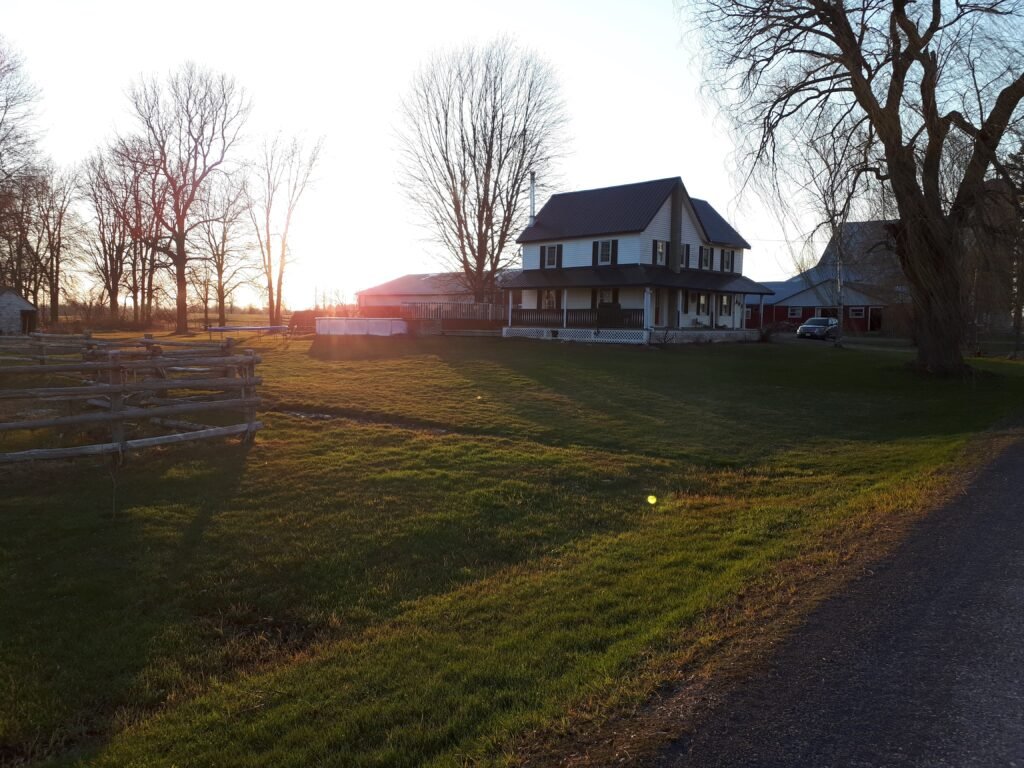
The pace has mercifully eased. These days, the main excitement is preparing our garden for winter on the homestead.
It’s the time of year when we exchange frantic harvesting for thoughtful preparing. And honestly, it feels good.
Here’s how we’re easing into the quieter months — and trying not to lose our sense of humor while doing it:
1. How to Prepare the Garden for Winter on the Homestead by Planting Garlic in Fall
When we prepare the garden for winter on the homestead, garlic is first on the list. Garlic planting week has a strange kind of excitement about it—mostly because it’s the last real planting we do before everything freezes solid. As it turns out, garlic thrives on a cold nap—it waits all winter, quietly building strength beneath the soil. There’s something deeply satisfying about tucking those little cloves into the ground while the trees blaze in color all around.
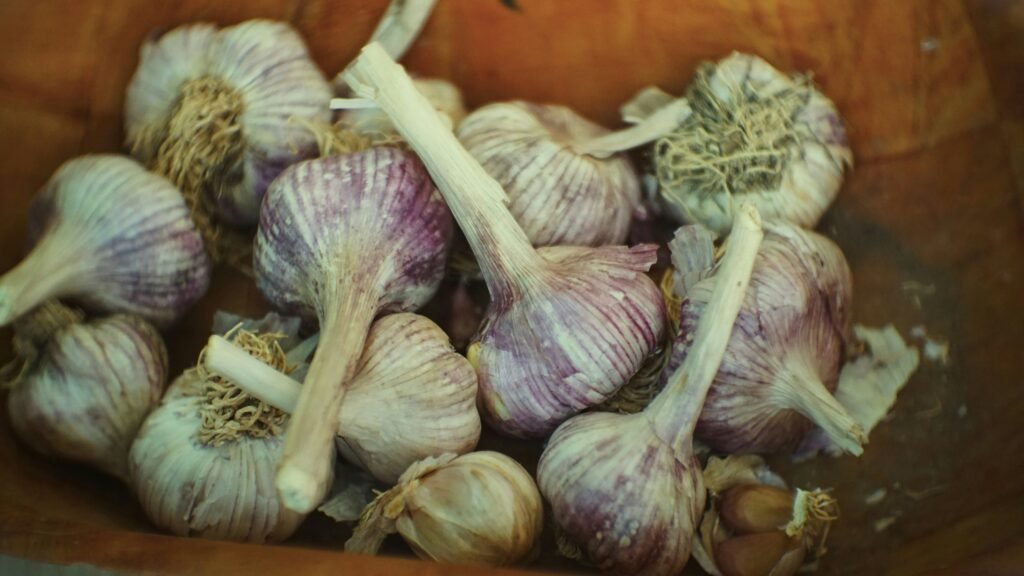
Garlic is a patient plant—it likes to be planted in the fall so it can rest, hidden under a blanket of soil, quietly preparing for spring. It needs that cold period —called vernalization, to trigger clove formation.
Why plant garlic in fall?
- It gets a head start on root growth before the ground freezes.
- It produces bigger bulbs with richer flavor.
- You can feel smug all winter knowing you’ve already started next year’s crop.
Around here, garlic planting looks like a family affair. The kids help separate the cloves, and I try not to micromanage how straight the rows are — I fail every time. Meanwhile, Steven leans on his shovel and mutters about “just eyeballing it,” while I line up rows like I’m training for a NASA precision test..
But come next July, when we’re pulling up plump, fragrant bulbs, I’ll remind everyone that precision pays off—and he’ll remind me that he was right about the row spacing after all.
2. How to Store Carrots for Winter on the Homestead
After that, we move straight into carrot season, pulling up every last one like kids on a treasure hunt.. The kids love pulling them up, mostly because it feels like treasure hunting—especially when we find the occasional mutant carrot that looks like it’s trying to run away.
In other words, we pack those carrots into bins of sand to keep them crisp and fresh through the winter. It’s not fancy, but it works. The sand keeps them from drying out or freezing, and they stay crisp and sweet for months.
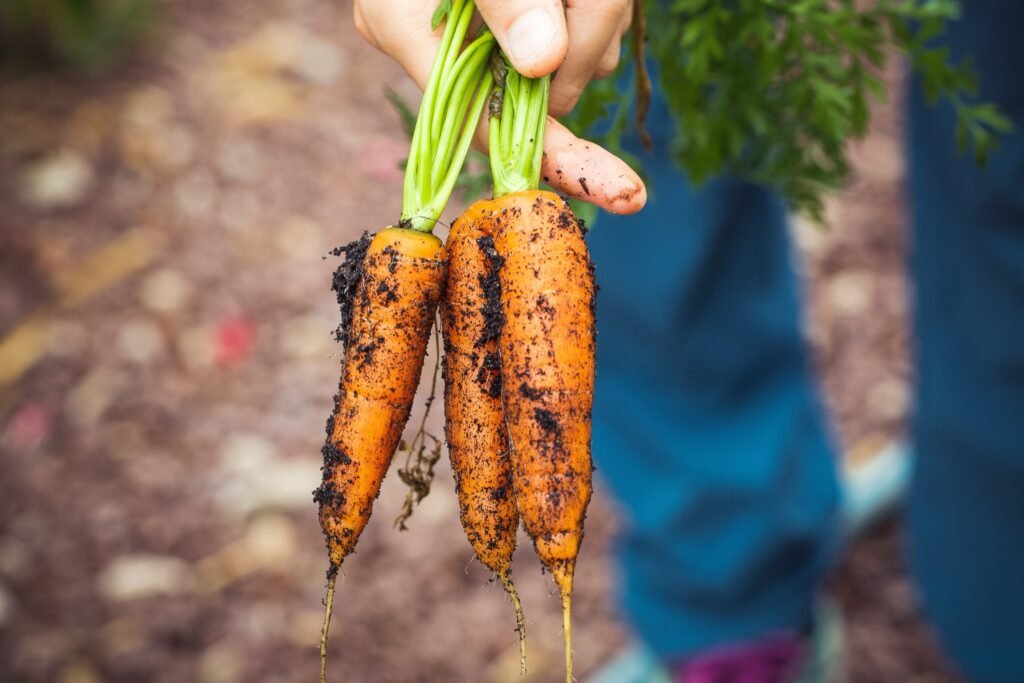
It’s our version of a root cellar, minus the haunted-house vibe. The carrots will be there when we need them for stews, soups, and that one time in January when someone declares they’re “craving something fresh.”
Pro tip: Make sure the sand is slightly damp—too dry, and your carrots will shrivel; too wet, and they’ll rot. The sand should feel like the beach after the tide goes out—slightly damp, just enough to make you grumble your way down to the cold room with 50-pound bins in hand.
3. Homestead Barn Cleanup: Another Step in How to Prepare the Garden for Winter on the Homestead
Next up, we tackle the barns, sweeping cobwebs and stacking tools with all the glamour of a mud-splattered chore list.
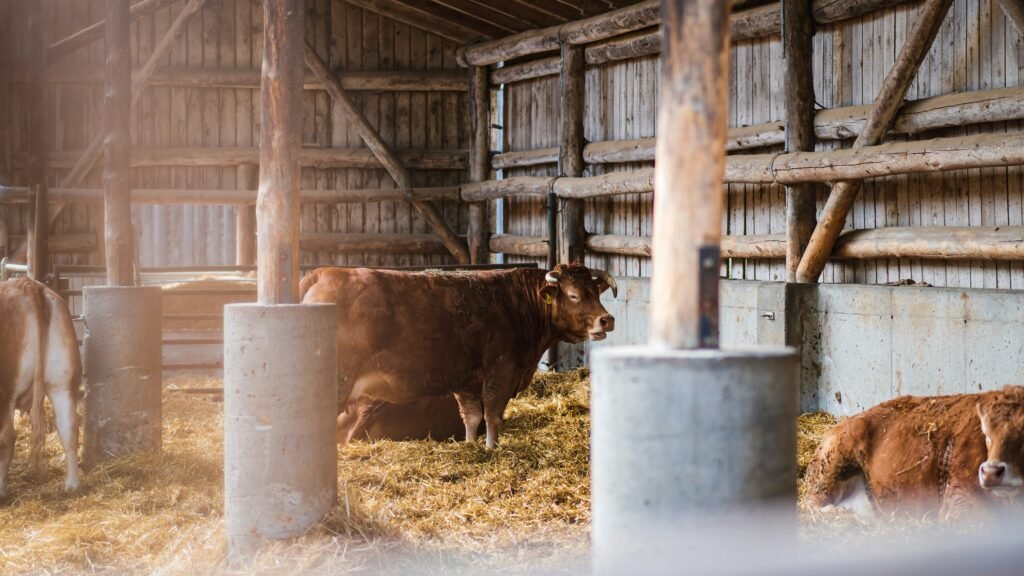
At the same time, the animals ease into their winter rhythm, trading pasture freedom for cozy hay-filled stalls.:
- Cows for meat and milk —our steady, humble providers.
- Chickens for eggs and meat.
- Far too many cats, none of which seem to serve an actual purpose except keeping us humble.
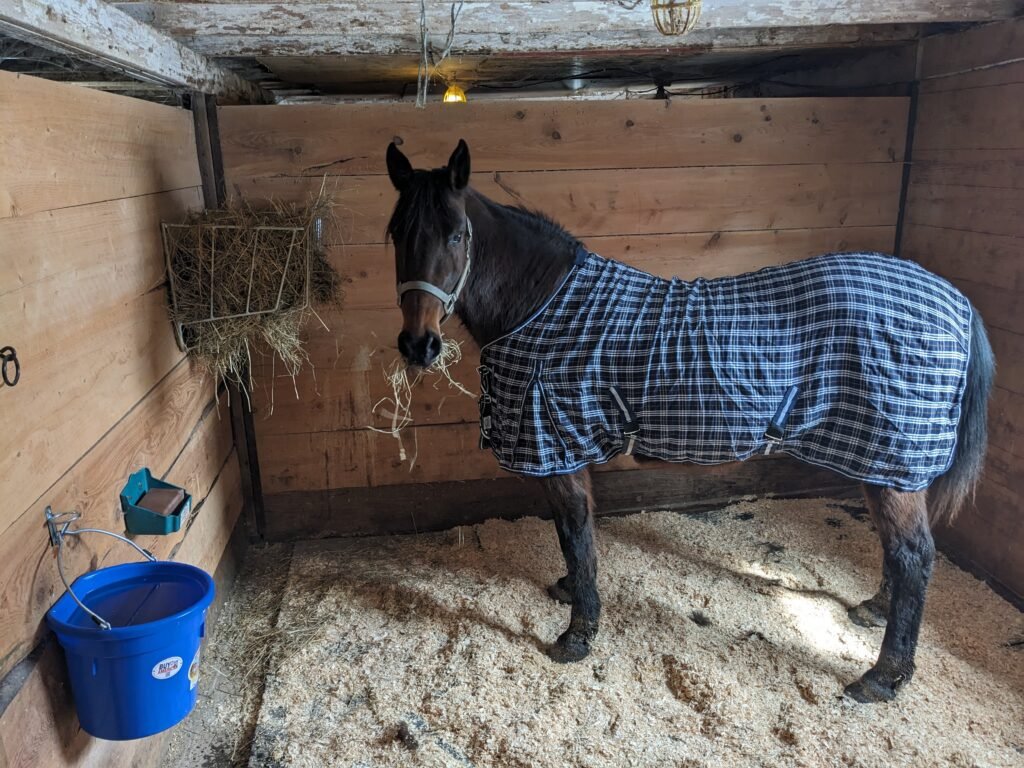
- And two horses who, much to Steven’s dismay, are purely ornamental.

“They don’t produce anything,” he likes to say, watching the horses happily munch through hay like it’s their life’s calling.
“Sure they do,” I tell him. “They produce joy. And manure. Lots of manure.”
The kids adore the horses, brushing them, riding around the field, and giving them treats they definitely don’t need. And honestly? Watching them enjoy that time makes all the hay disappear feel worth it.
4. The Flower Beds Get a Haircut
Meanwhile, as the vegetable beds settle in for winter, I grab my clippers and give the flower gardens their final haircut. This is the part that feels both ruthless and therapeutic.
Here’s the rundown:
- For example, we dig up tender bulbs like dahlias and gladiolus and tuck them away where frost can’t reach them.
- Hostas get decapitated (sorry, friends—you’ll thank me come spring).
- Peonies get trimmed down to prevent mildew.
- Anything that’s past its prime gets composted, feeding next year’s growth.
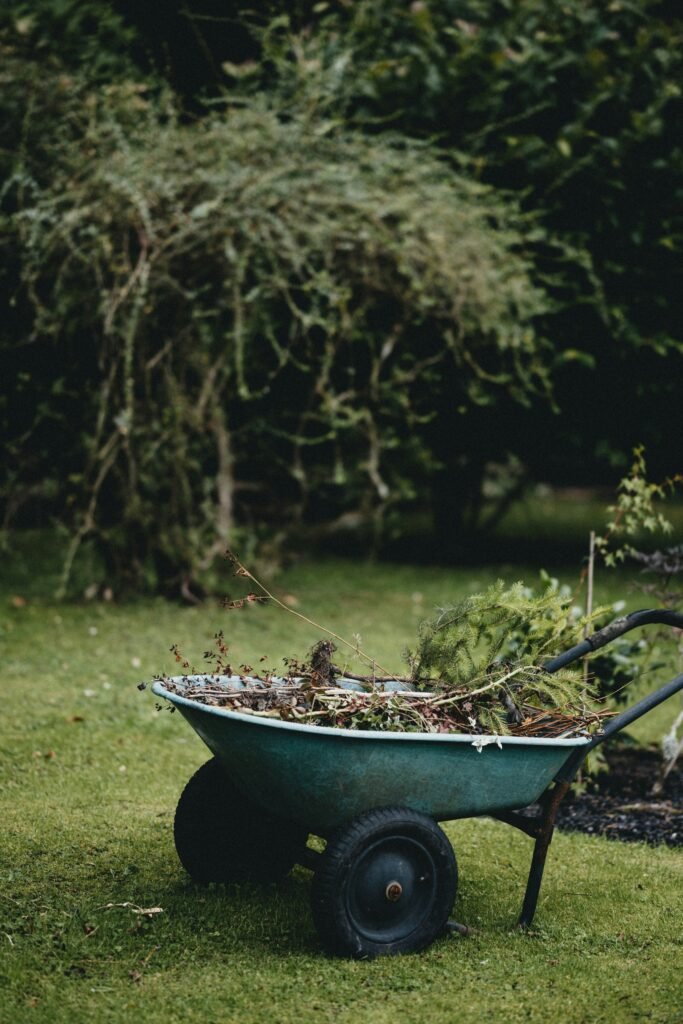
It’s oddly satisfying work—watching the chaos of summer growth give way to clean, tidy beds. In the end, the garden rests quietly, bare but peaceful, like it knows spring will call it back soon.. Just… resting. Like it’s taking a deep breath after giving its all.
5. Why Slowing Down Is Part of Preparing Your Garden for Winter
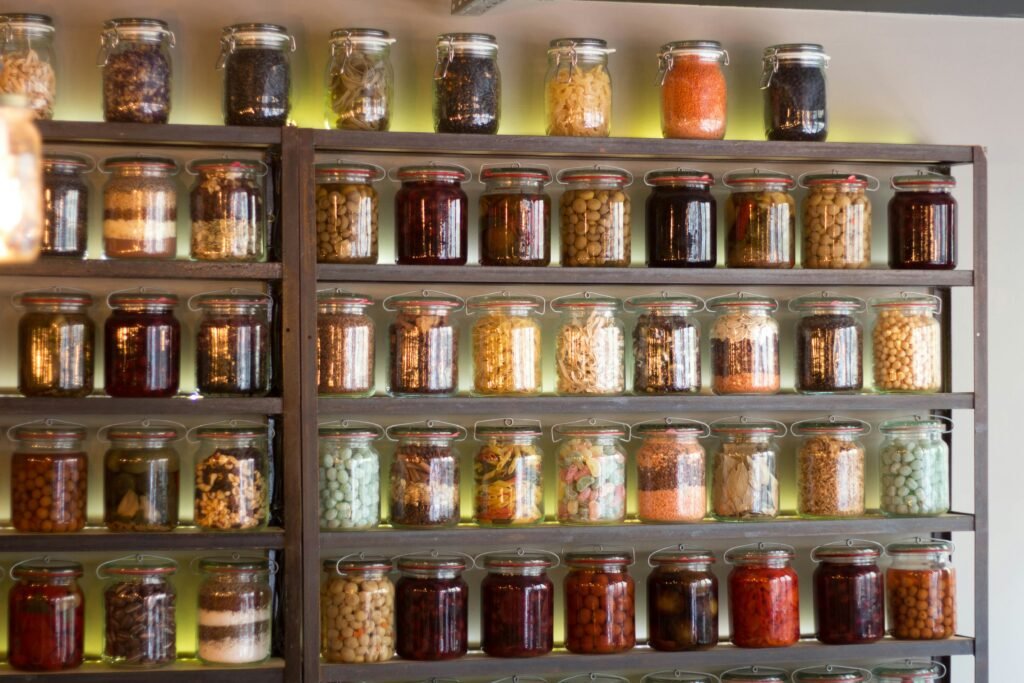
By this point, jars of tomatoes, beans, jams, pickles, and relish line the pantry shelves, gleaming like trophies of our summer’s work.. Finally, we store the canners, wipe the counters, and breathe in that sweet sense of quiet satisfaction.
The barns are ready. The gardens are sleeping. The house smells faintly of cinnamon and woodsmoke.
And for the first time in months, there’s time to sit. To breathe. To watch the sunset without feeling like there’s a squash emergency waiting in the kitchen.
6. Faith, Rest, and Gratitude: The Heart Behind How to Prepare the Garden for Winter on the Homestead
After everything is tucked away, there’s something about the end of harvest that stirs gratitude in a new way. The frantic pace slows, and what’s left is the simple joy of enough.
Enough food in the pantry, hay in the barn, and warmth in the home.
In the end, preparing the garden for winter on the homestead isn’t just about chores—it’s about faith and gratitude.—it’s a rhythm of faith. A reminder that God designed seasons on purpose: the growth, the gathering, and the rest. Each has its place.
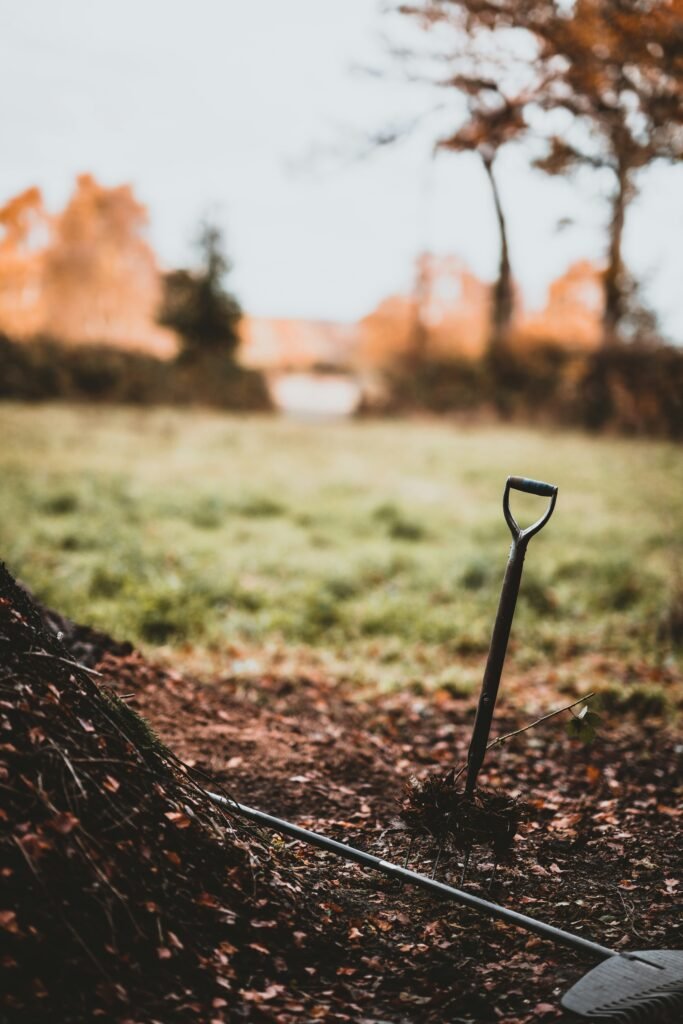
This year, as I covered the garlic beds and hauled the last wheelbarrow of compost, I couldn’t help but feel it deep in my bones that God provides in every season.
He provided in the abundance of summer, and He’ll provide in the stillness of winter. His faithfulness doesn’t depend on our productivity—it’s steady, even when the fields are frozen and the gardens sleep.
So as we tuck the garden in for winter, we take a moment to thank Him. For the jars that clink softly on the pantry shelves, for the steaming mugs of cider after chores, and even for the hay-burning horses that bring joy to your kids.

All in all, as we prepare our garden for winter, I’m reminded once again that the harvest is His—and so is the rest.
Before You Go
If this post encouraged you as you prepare your garden —and heart for the quiet months ahead, I’d love for you to follow Gathering Grace. You’ll get more stories of faith, family, and funny farm life, like a cozy cup of encouragement on a chilly morning.
Or Subscribe to our newsletter!