
If you’ve been looking for beginner gardening tips, you’ve probably already realized something—gardening isn’t as simple as tossing seeds into the ground and hoping for the best. It’s slower than that. Messier too.
There’s more trial and error, more waiting, and more learning than most of us expect. And somewhere in the middle of all that, I started to notice something: the way a garden grows has a lot to say about the way we do too.
Beginner Gardening Tips for Starting with Confidence
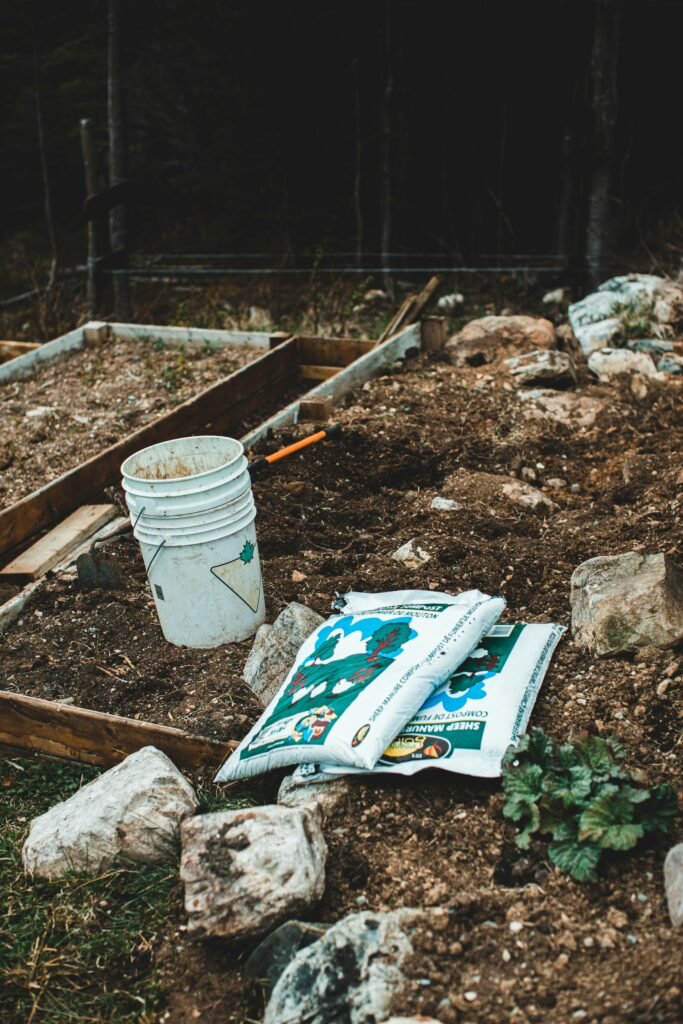
1.Preparing the Soil
Before anything grows, the soil has to be prepared.
And if you’ve ever done it, you know—it’s not neat work.
It’s dirt under your nails, stubborn roots that don’t want to come out.
It’s realizing the ground is harder than you expected.
There’s always more beneath the surface.
And somewhere in the middle of that, it hits—
this is often how God works in our hearts too.
Not polished.
Not comfortable.
But good.
Grace doesn’t wait for things to be tidy.
It meets us right in the middle of what’s overgrown and undone.
You don’t need perfect conditions to begin.
A small space is enough.
And the same is true spiritually—
grace begins where you are, not where you think you should be.
Practical Takeaway:
Start small and start now. Don’t wait to “fix” your whole yard—choose one manageable area, about 4×4 feet if you’re new.
- Use a shovel or garden fork to loosen the top 6–8 inches of soil
- Remove visible weeds, roots, and rocks, don’t stress about perfection
- Mix in compost or bagged garden soil to improve texture
- Rake the surface so it’s mostly level
Even one prepared patch is a win. You’re not building a homestead overnight—you’re just making room for something to grow.
2. Choosing What to Grow — Beginner Gardening Tips for Seed Selection
Choosing what to plant should feel exciting—but it can quickly feel overwhelming.
There are so many options… and so many opinions.
It’s easy to slip into:
- I should grow this.
- This is what a proper garden looks like.
But grace removes that pressure.
God didn’t create sameness—He created variety, abundance, and beauty on purpose.
Which means you don’t have to grow what impresses.
You can grow what nourishes.
In your garden, that might look like choosing the vegetables your family actually eats.
In life, it means choosing what brings life—not what simply looks good from the outside.
Practical Takeaway:
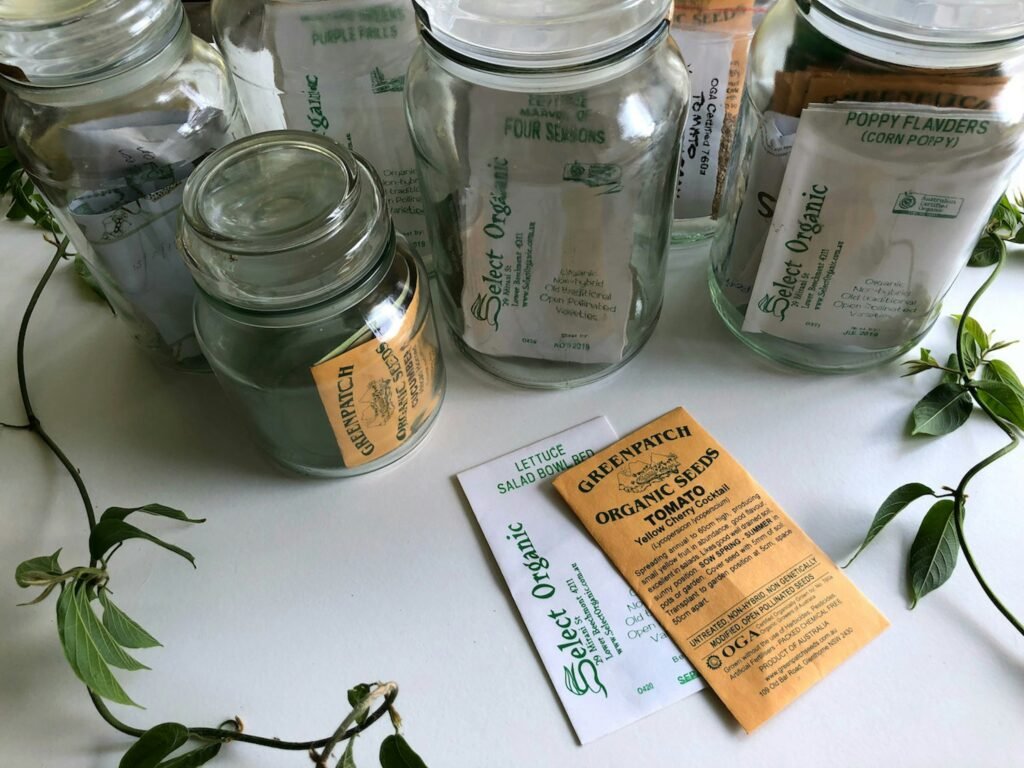
Before buying seeds, write down 5–7 vegetables your family actually eats each week.
Then narrow it down further by choosing beginner-friendly plants:
- Easy wins: lettuce, green beans, zucchini, radishes, herbs (like basil or parsley)
- Check seed packets for your growing zone and planting season
- Start with 3–5 types of plants max to avoid overwhelm
A productive garden you use is better than a “perfect” garden you don’t. If no one in your house eats kale… this is your permission to skip it.
3. Sowing Seeds and Learning Patience
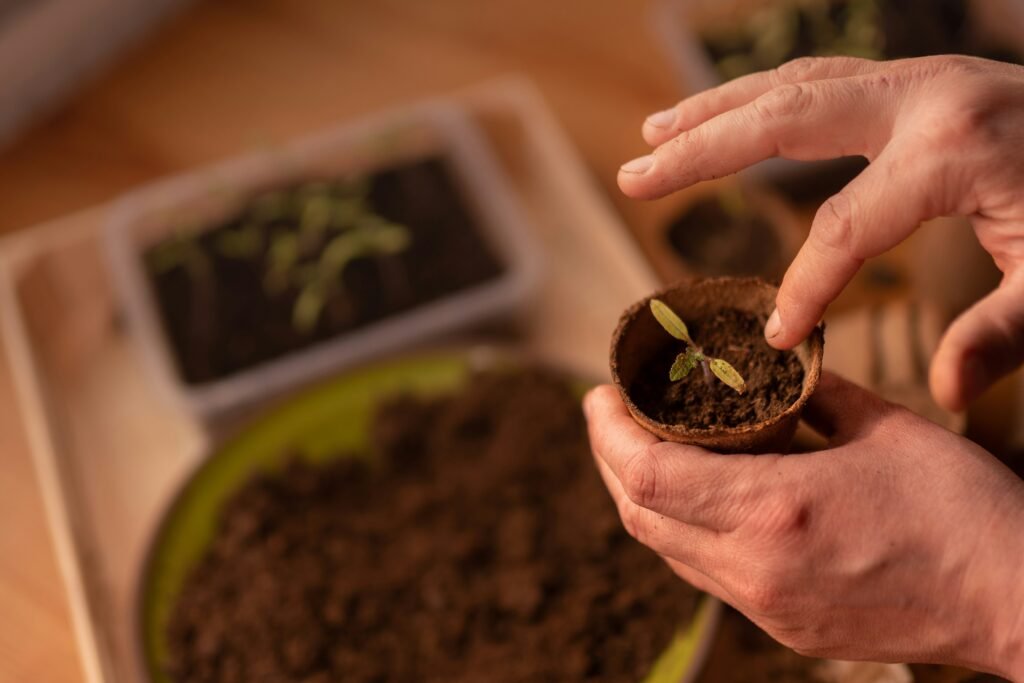
Planting feels… quiet.
You place the seed in the soil, cover it, and walk away.
Nothing changes—at least not visibly.
And if you’re anything like me, you’re tempted to check.
To dig a little.
To make sure something is happening.
But growth doesn’t need to be seen to be real.
Gardens teach patience in a way few things do.
You don’t rush seeds, and don’t force growth.
You trust.
And that’s exactly where grace meets us—in the waiting, in the unseen.
These beginner gardening tips aren’t complicated—but they do require patience.
Practical Takeaway:
Label what you plant and resist the urge to dig it up.
- Follow seed packet depth (a general rule: plant seeds about 2–3x as deep as their size)
- Water gently after planting so you don’t wash seeds away
- Use small markers (popsicle sticks, labels, or even a note in your phone)
- Check soil moisture daily—keep it damp, not soaked
Most seeds take 7–21 days to sprout. If nothing shows right away, that doesn’t mean nothing is happening.
4. Beginner Gardening Tips for Daily Plant Care
Once things start growing, the excitement fades a little.
Now it’s just… showing up.
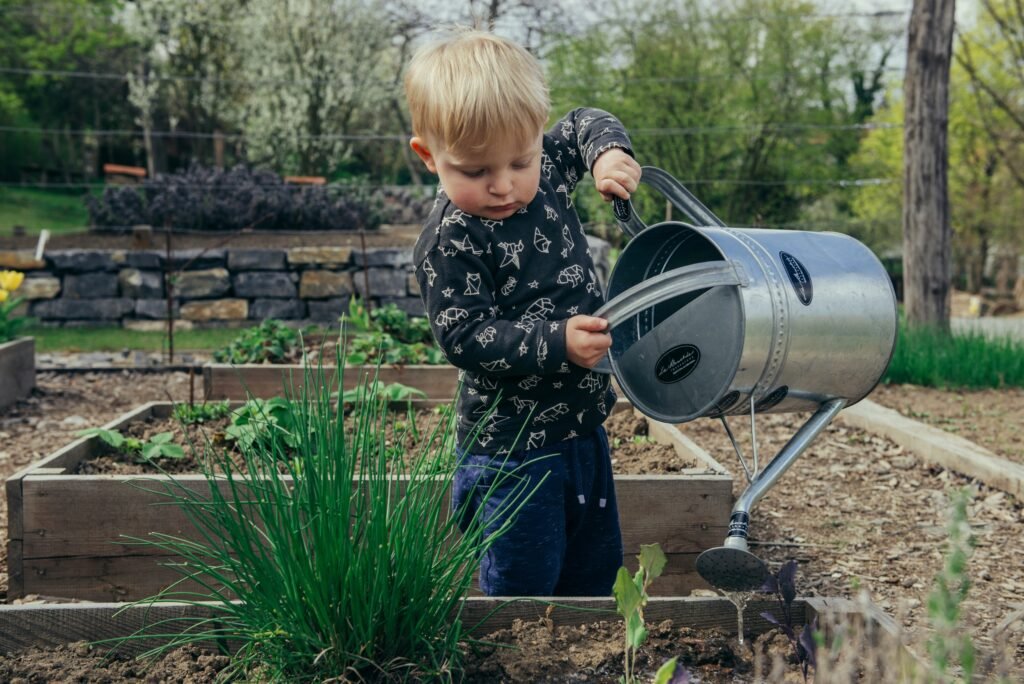
Watering.
Checking.
Pulling the occasional weed.
Repeating it again the next day.
It’s not glamorous.
But it’s where growth actually happens.
We often look for big, meaningful moments—but both gardening and faith are built in the small, consistent ones.
Grace meets us here—in the ordinary, not just the extraordinary.
Practical Takeaway:
Create a simple routine and stick to it.
- Check your garden once a day (morning or evening is best)
- Water deeply 2–3 times per week instead of a little every day
- Look for dry soil about 1–2 inches down before watering again
- Pull small weeds as soon as you see them (they’re easier to deal with early)
Consistency matters more than doing everything perfectly. A few minutes a day goes further than one overwhelmed Saturday.
5. Protecting Your Garden from Weeds and Pests
Every garden faces problems.
Weeds show up.
Pests find their way in.
Some plants struggle while others thrive.
And not everything needs the same response.
Some issues can wait.
Others need immediate attention.
Grace doesn’t ignore what’s harmful—it teaches us to recognize it early. I explain more of that in marriage in this article.
To respond wisely, not react emotionally.
Because what you protect determines what continues to grow.
I’ve created a course on cultivating grace in your marriage, just like viewing your garden through the lens of grace, in the course, I explain how you can cultivate grace in your marriage:
Buy Course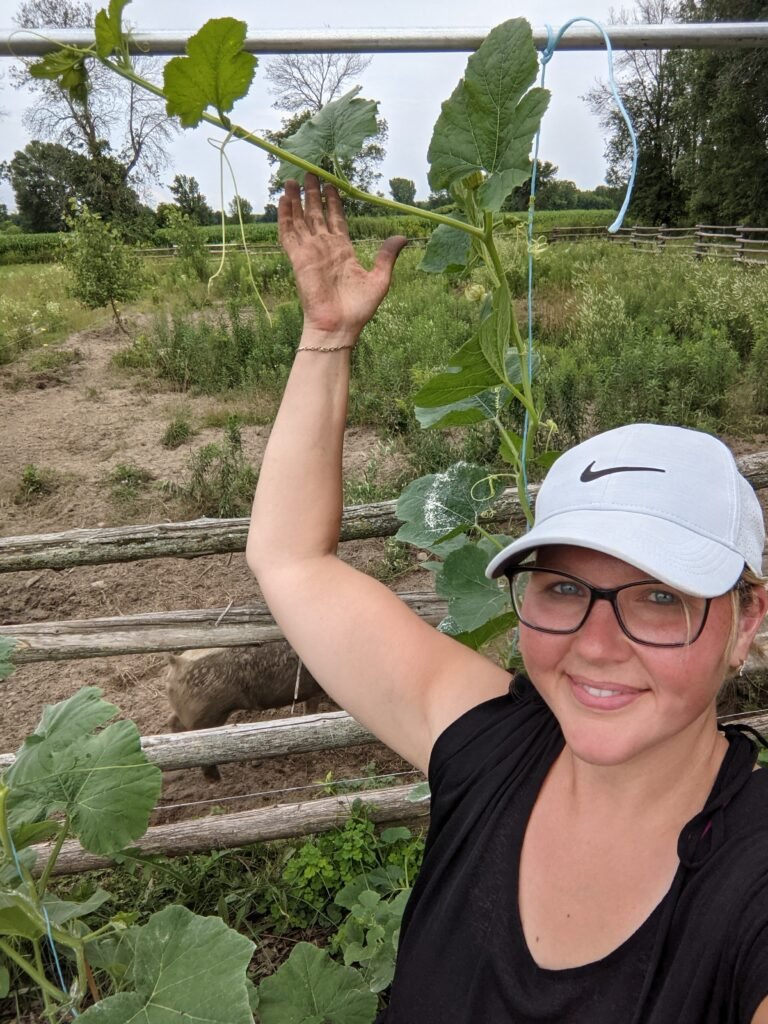
Practical Takeaway:
Check your plants regularly—even a quick glance makes a difference.
- Look under leaves for bugs or eggs (not just the top)
- Remove visible pests by hand or spray with a simple water + mild soap mix
- Pull weeds before they flower and spread
- If a plant looks sick, isolate the issue early (yellow leaves, holes, spots)
You don’t need to panic over every imperfection—but paying attention early prevents bigger problems later.
6. Beginner Gardening Tips: Harvesting and Sharing
When a garden produces well, it rarely produces just enough.
There’s usually more than you expected.
And that’s where something shifts.
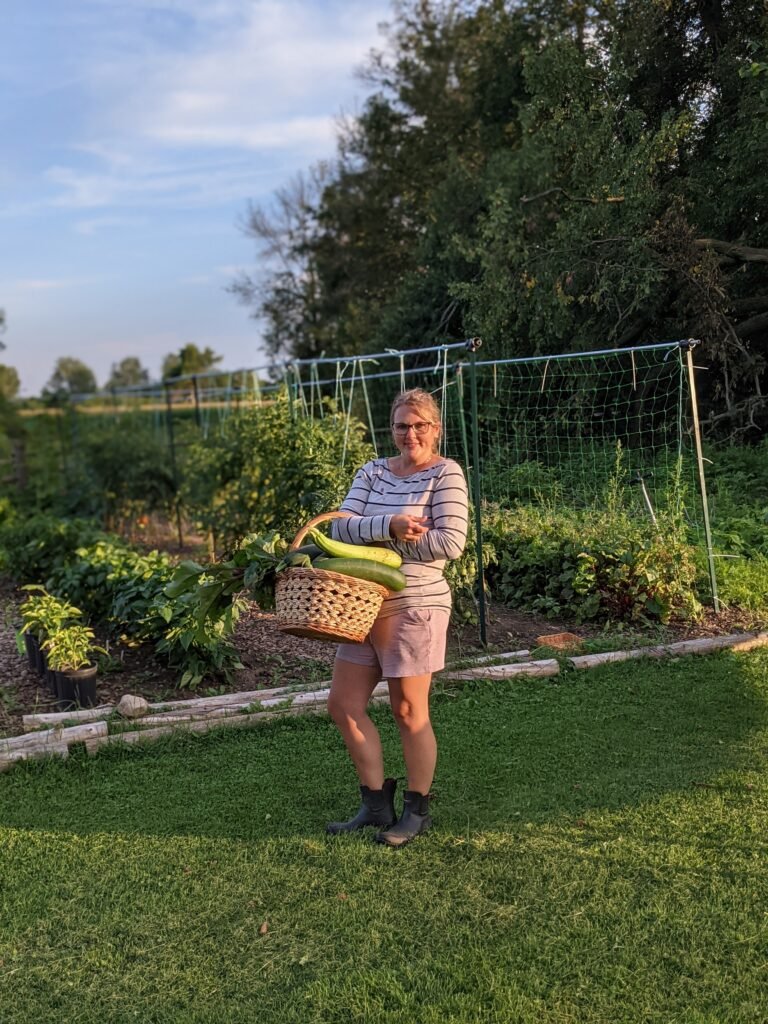
You move from growing for yourself… to sharing with others.
A handful of herbs.
Extra vegetables.
Something small, but meaningful.
This is what grace does—it multiplies beyond us.
It was never meant to stop with us.
I’ve added some recipes you can use to make meals from your own garden here.
Practical Takeaway:
Plan for extra, even in a small garden.
- Plant one additional herb or vegetable specifically to give away
- Harvest regularly—many plants (like beans and zucchini) produce more when picked often
- Store extras properly (fridge, freezing, or simple preserving)
- Share with a neighbor, friend, or someone in your church
It doesn’t have to be a full basket to matter. Sometimes it’s just a handful of herbs—but it still blesses someone.
Beginner Gardening Tips: Mistakes to avoid in your first garden
If you’re just starting out, a few small missteps can make gardening feel harder than it actually is. Most of these are easy to fix once you know what to look for.
Here are some of the most common beginner mistakes—and how to avoid them:
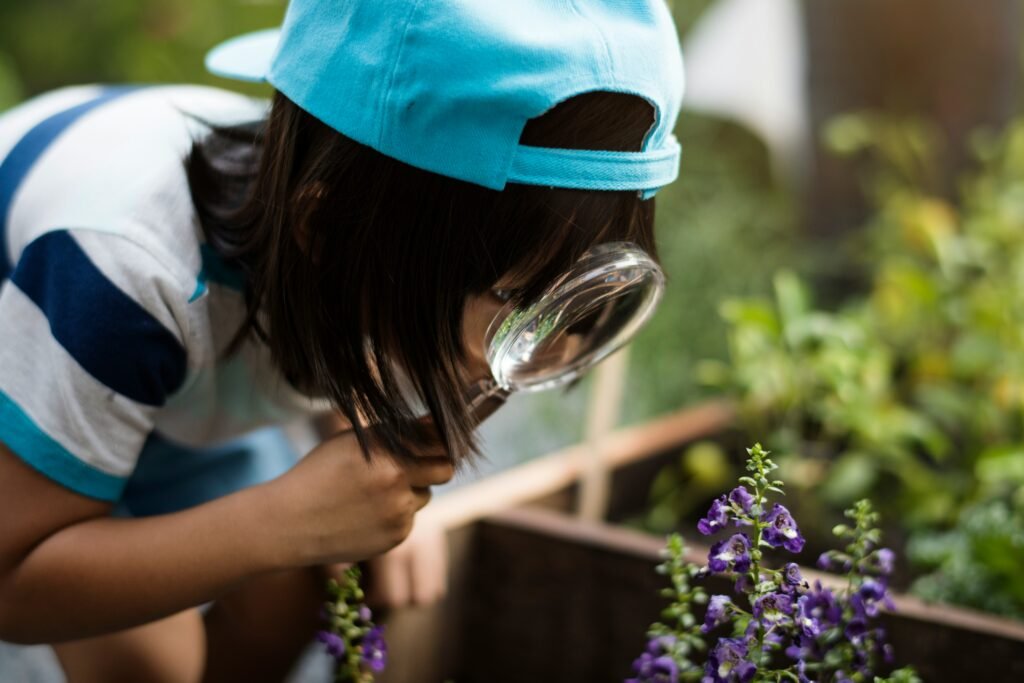
1. Starting too big
It’s tempting to plant everything all at once, but more space means more work, more watering, and more chances to get overwhelmed.
What to do instead:
Start with a small plot or a few containers. It’s better to manage a little well than abandon a lot halfway through the season.
2. Overwatering (the most common mistake)
More plants die from too much water than too little.
What to do instead:
Check the soil before watering. If it’s still damp 1–2 inches down, wait. Roots need air just as much as they need water.
3. Planting without checking sunlight
Not all plants thrive in the same conditions—and sunlight matters more than most beginners expect.
What to do instead:
Watch your garden space for a full day:
- 6–8 hours of sun = full sun (great for most vegetables)
- 3–5 hours = partial sun (good for greens and herbs)
Match your plants to your light, not the other way around.
4. Ignoring spacing
Tiny seedlings don’t stay tiny for long. Crowded plants compete for nutrients, water, and light.
What to do instead:
Follow spacing guidelines on seed packets—even when it feels like too much space. Your future plants will thank you.
5. Giving up too soon
Not every seed sprouts. Not every plant thrives. That’s not failure—that’s gardening.
What to do instead:
Expect a learning curve. Replant when needed, adjust as you go, and treat each mistake as part of the process—not the end of it.
6. Trying to control everything
Weather changes. Bugs show up. Some things just don’t go as planned.
What to do instead:
Do what you can, stay consistent, and let the rest go. Growth—both in the garden and in life—doesn’t come from control, but from care and trust over time.
Beginner Gardening Tips for First-Time Gardeners
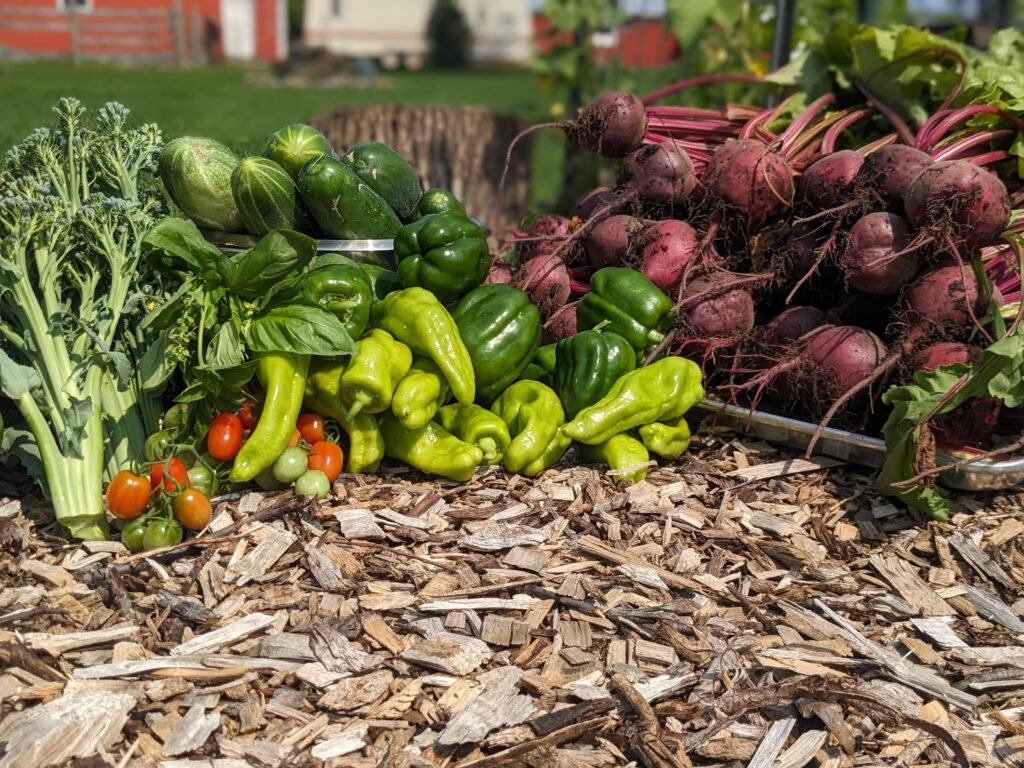
- Start small—prepare one manageable garden space instead of trying to do everything at once.
- Grow what you’ll actually use—choose plants your family already enjoys eating.
- Be patient—seeds take time, and growth often happens before you can see it.
- Stay consistent—daily care, even in small ways, makes the biggest difference.
- Watch closely—check your plants often to catch weeds or pests early.
- Share what you grow—plant a little extra so you can bless others with your harvest.
If you’ve been waiting for the “perfect” time to start gardening, this is your sign—it doesn’t exist.
- Start small.
- Start messy.
- Start anyway.
And if you’re in a season where growth feels slow or unseen, you’re not alone in that either. The same God who tends the garden is tending you too.
If this encouraged you, share it with a friend who’s been thinking about starting a garden—or saving seeds on their counter and not quite knowing what to do next.
And I’d love to hear from you—
What’s the first thing you’re planting this year?
Love these timeless truths and helpful hacks!